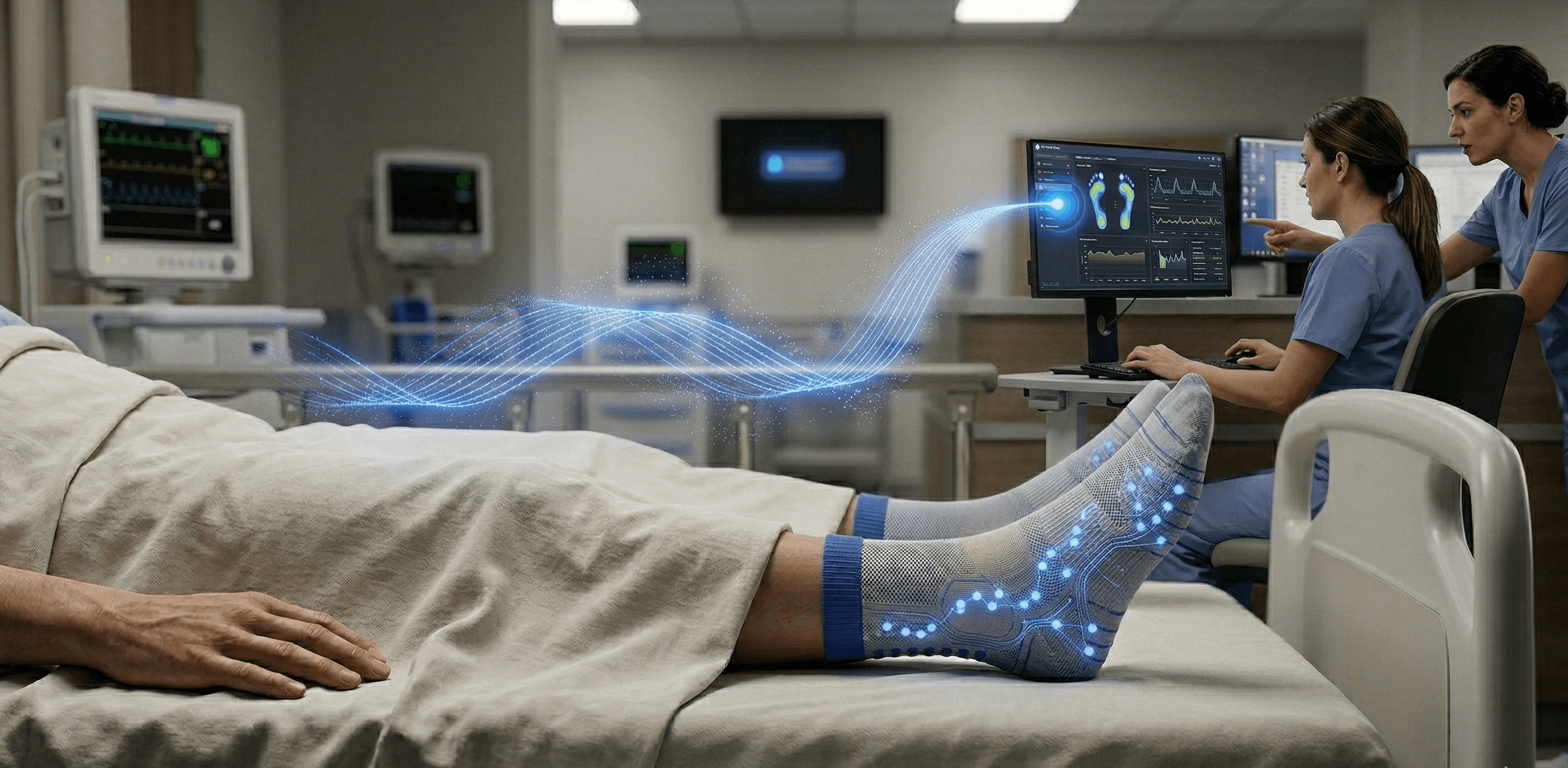
Bringing smart textiles from the lab to retail requires a structured, step-by-step approach. While innovations like conductive fibers and embedded sensors are impressive, real-world success depends on scalability, usability, and commercial strategy [1].
Five Key Stages for Smart Textile Success
1. Define the Value Proposition: Identify how the product improves the user experience.
2. Prototype Development: Integrate materials into garments while maintaining performance [2].
3. Manufacturing Alignment: Ensure compatibility with existing production processes.
4. Cost & Supply Chain Strategy: Keep production economically viable.
5. Commercial Rollout & Feedback: Pilot, test, and refine products based on user insights [1].
Following this structured path, brands can transform promising innovations into scalable, market-ready products that resonate with consumers and support long-term growth.
**References **
1. Islam, T. et al., A roadmap study of wearable electronic textile materials: a comprehensive review, Advanced Composites and Hybrid Materials (2025). https://link.springer.com/article/10.1007/s42114-025-01419-6?utm_source=chatgpt.com
2. Zhang, W. et al., Smart wearable fibers and textiles: status and prospects, Nanoscale (2025). https://pubmed.ncbi.nlm.nih.gov/40990243/?utm_source=chatgpt.com
3. Recent advances and innovations in textile materials for smart sensor applications: A review, Measurement (2025). https://www.sciencedirect.com/science/article/pii/S0263224125014162?utm_source=chatgpt.com