Loading...
Expert perspectives on polymer science, materials innovation, and sustainable manufacturing.
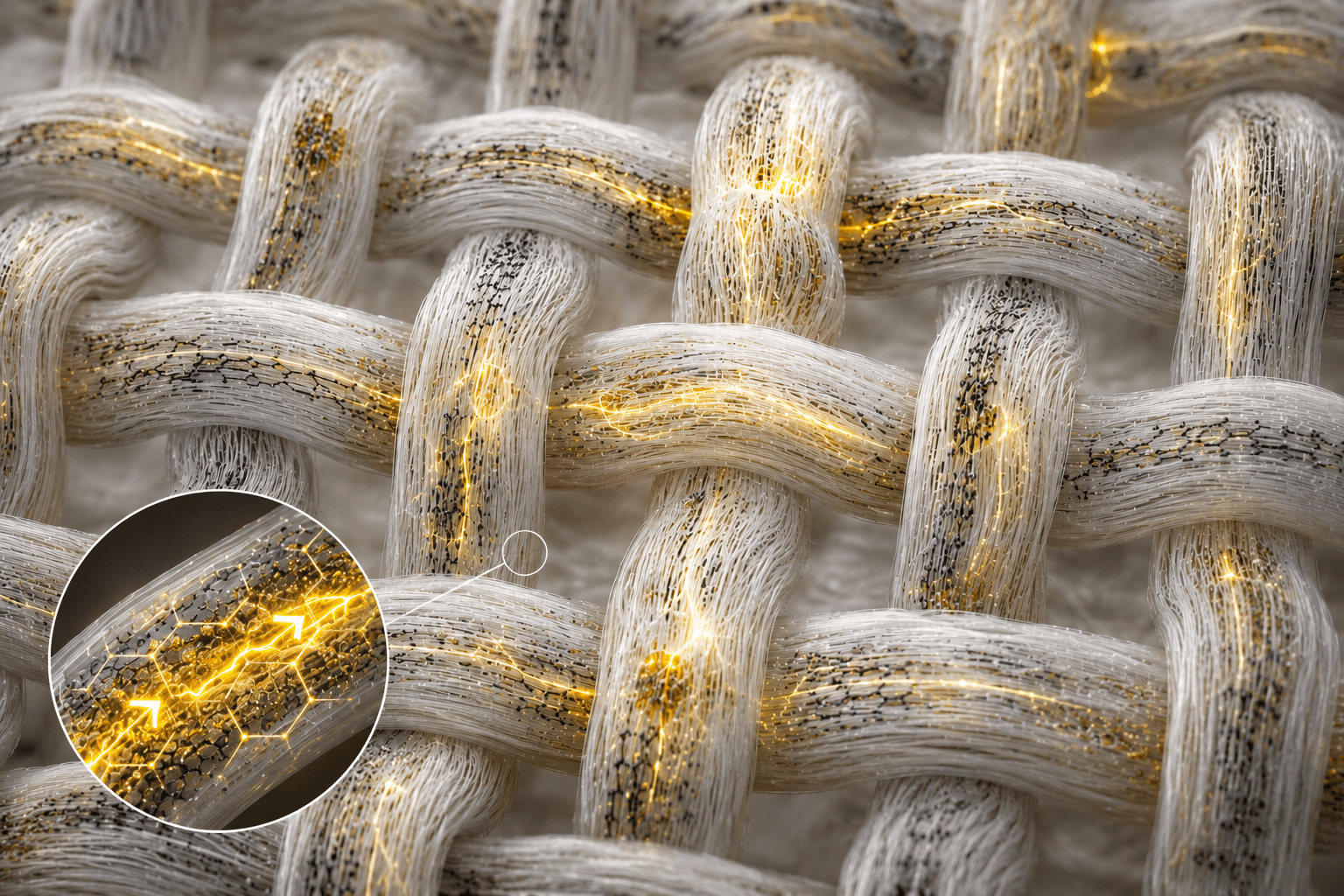
Energy is no longer external to the textile. Modern fibers are being engineered to harvest, store, and manage energy within their own structures, enabling the next generation of self-powered intelligent materials.
As fibers become interconnected networks rather than isolated sensing elements, intelligence begins to emerge from the interactions between them. This article explores how distributed fiber systems are transforming textiles into adaptive, information-rich platforms capable of sensing, interpreting, and responding across entire material structures.
Advanced fibers are evolving beyond traditional materials to become intelligent systems capable of sensing, transmitting, and processing information. By integrating distributed sensing and communication directly into fiber architectures, these next-generation materials are blurring the boundaries between textiles, electronics, and computational networks.
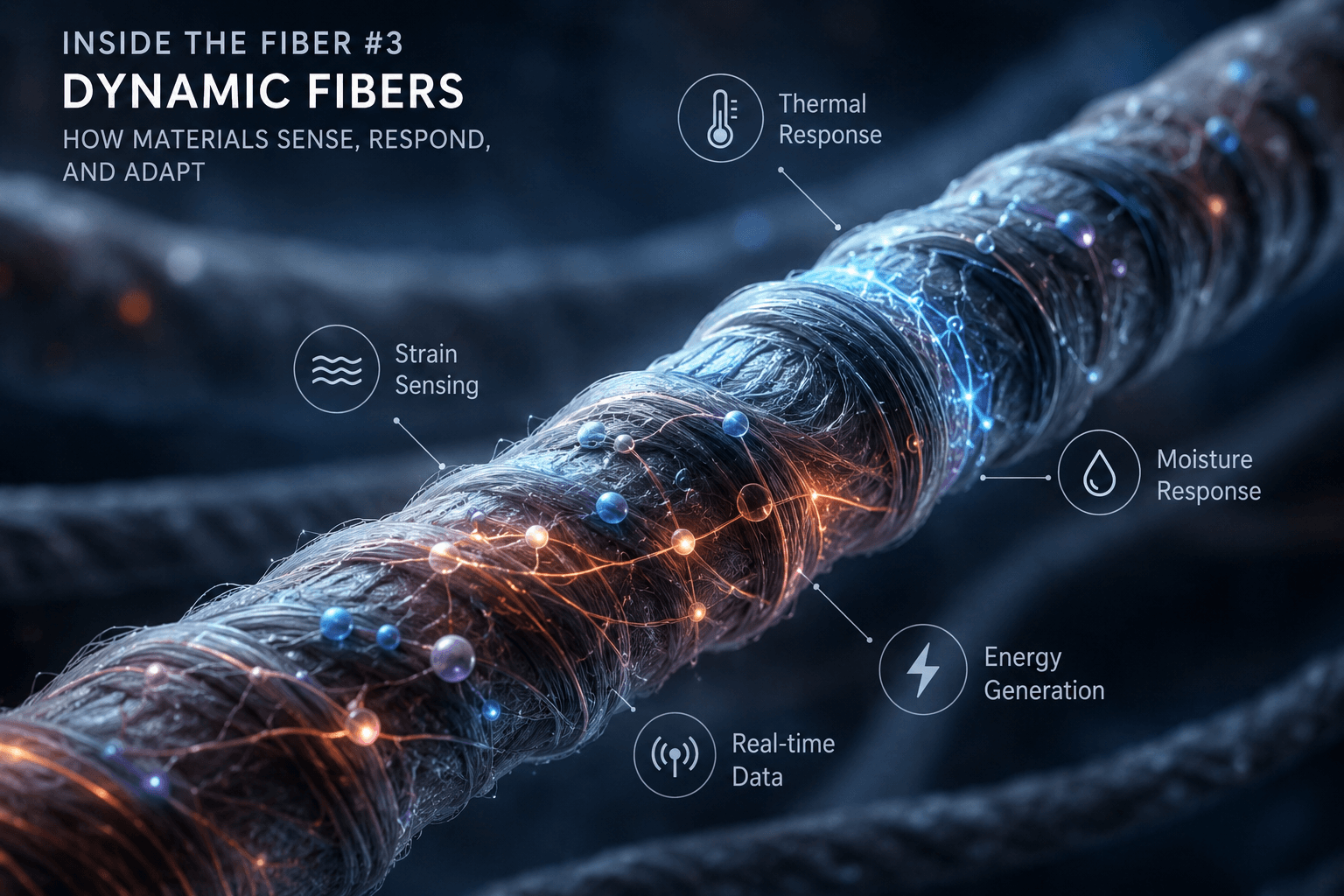
This article explores the emergence of dynamic fibers that can sense, respond, and adapt to environmental changes in real time. It highlights how responsive materials, adaptive networks, and smart polymer systems are transforming fibers from passive components into active, intelligent systems.
This article explores how functional additives have evolved from simple fillers into structural elements that define the performance of advanced fibers. It highlights how molecular interactions, nanomaterial networks, and microstructural design are shaping the next generation of smart and multifunctional textiles.
This article explores the evolution of fibers from passive materials to multifunctional systems capable of sensing, conducting, storing energy, and responding to their environment. It highlights how integrating functionality directly into fibers is enabling the next generation of smart textiles and wearable technologies.
This article explores how smart textiles are evolving from data-collection platforms into intelligent systems. It highlights the challenges of processing wearable data and the growing role of edge computing and AI in transforming raw signals into actionable insights.
This article explores why power management—not sensors—is the biggest challenge in smart textiles. It highlights emerging energy-harvesting technologies and self-powered systems that could enable the next generation of wearable fabrics.
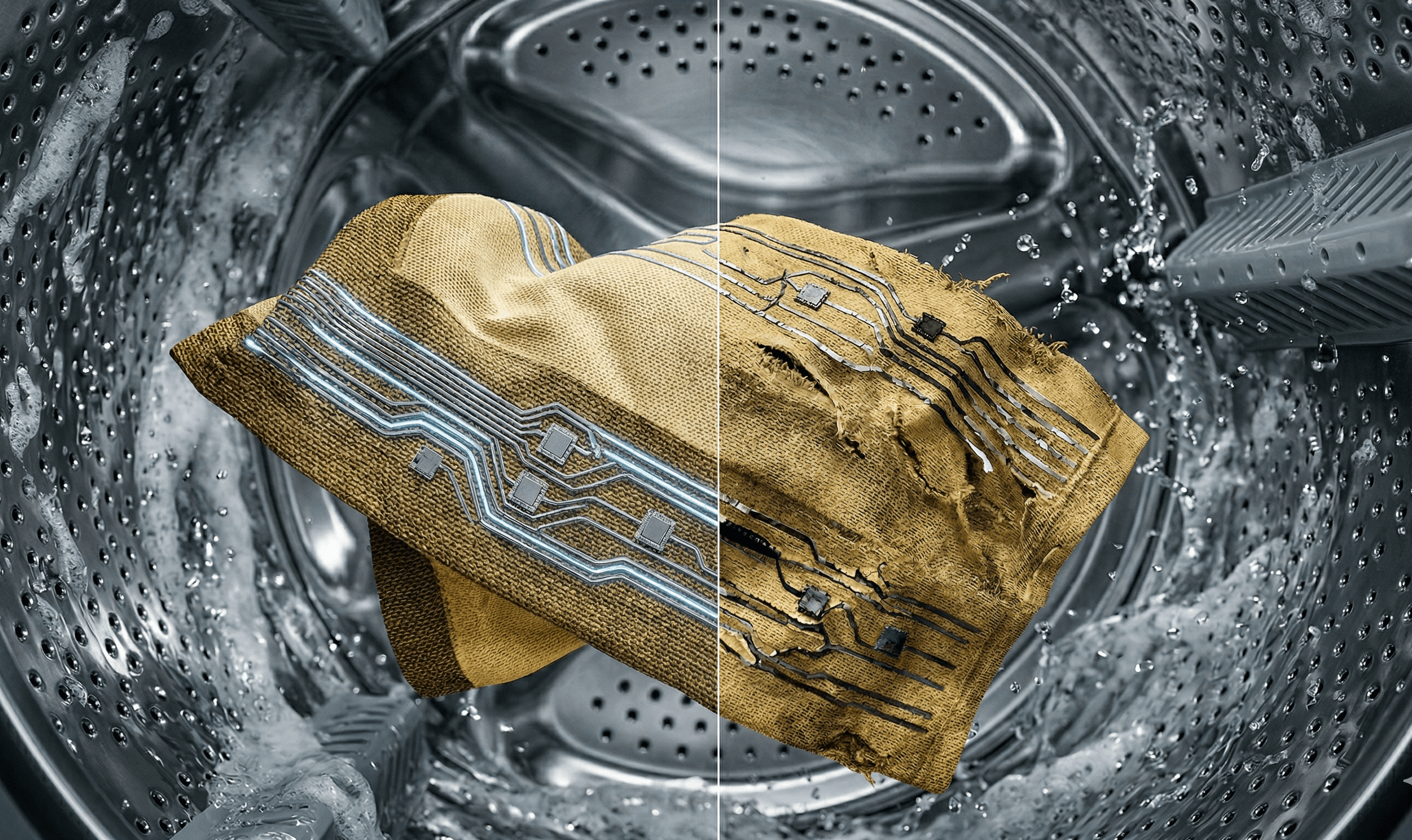
This article examines why most smart textile products fail after 30–60 wash cycles and the engineering challenges behind wash durability. It highlights emerging solutions in materials, fiber-level integration, and testing methods that are making smart textiles more reliable and commercially viable.
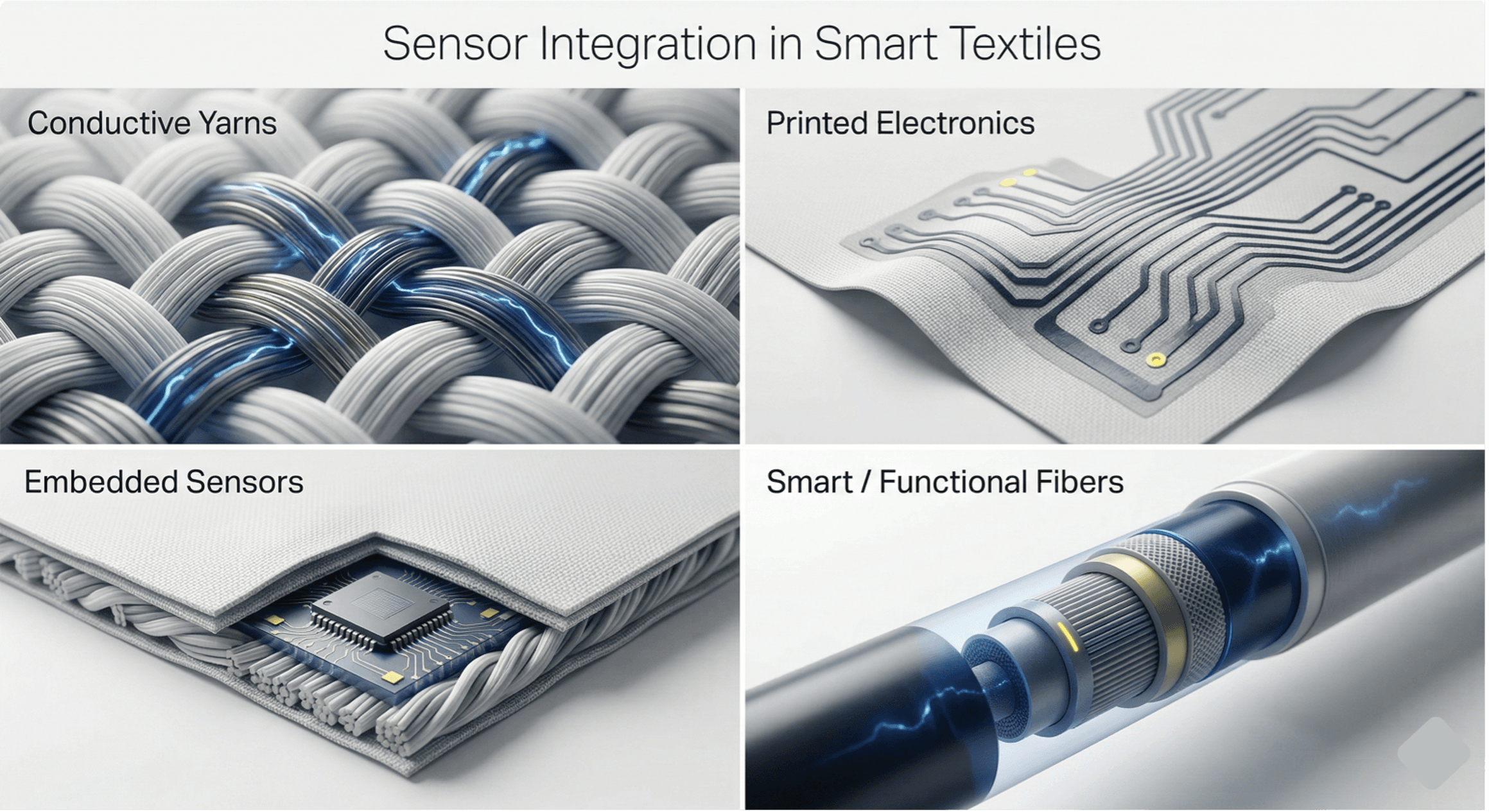
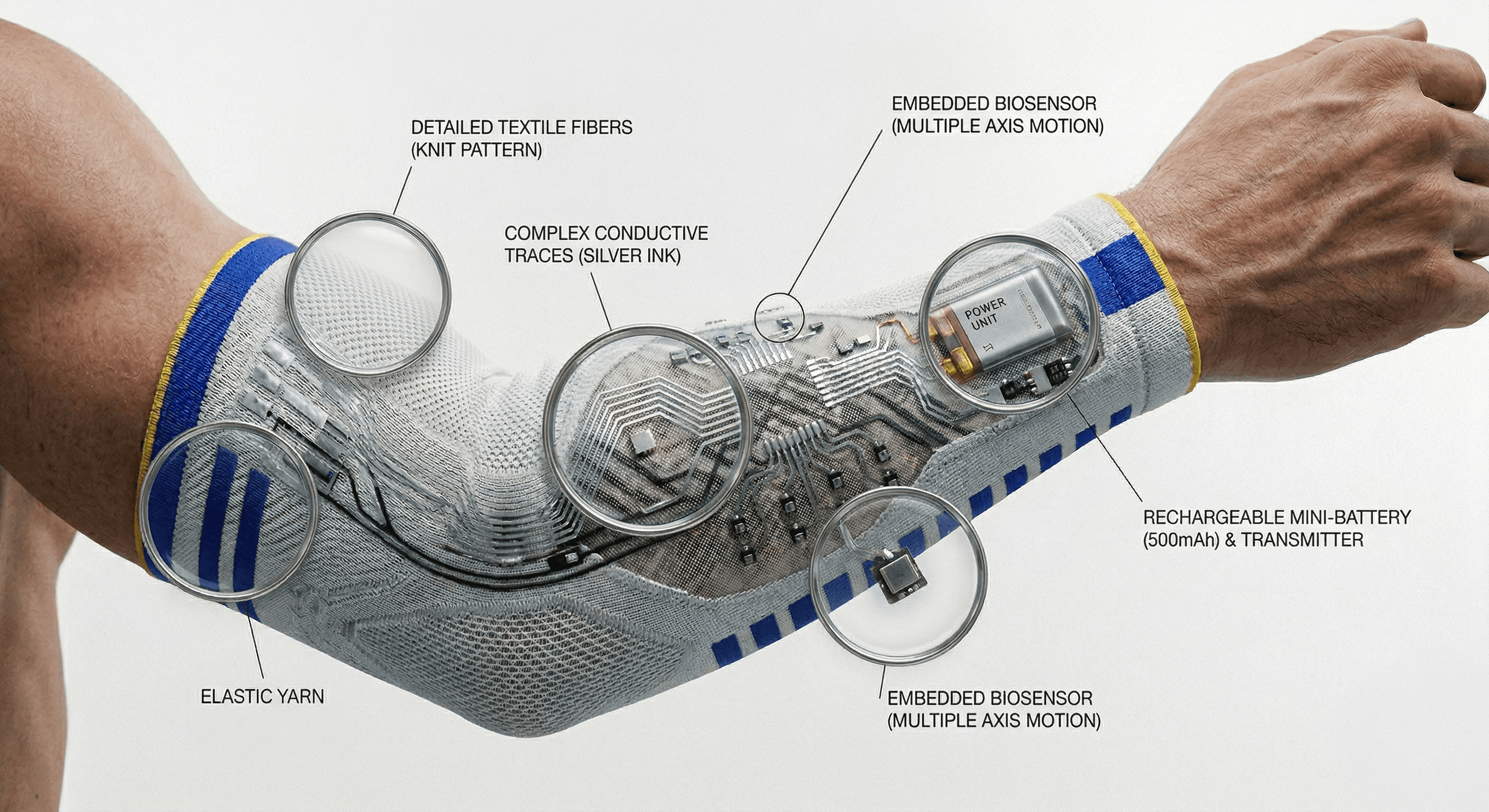
This article explores the key methods used to integrate sensors into smart textiles and the technical challenges involved. It highlights the trade-offs between comfort, durability, and performance that shape the future of wearable fabrics.
This article explores how smart textiles and wearable technologies are reshaping healthcare, performance monitoring, and connected apparel through advanced materials and integrated systems.
This article highlights the technologies and integration strategies powering the next generation of smart textiles and wearable systems across healthcare, sports, and advanced functional apparel.
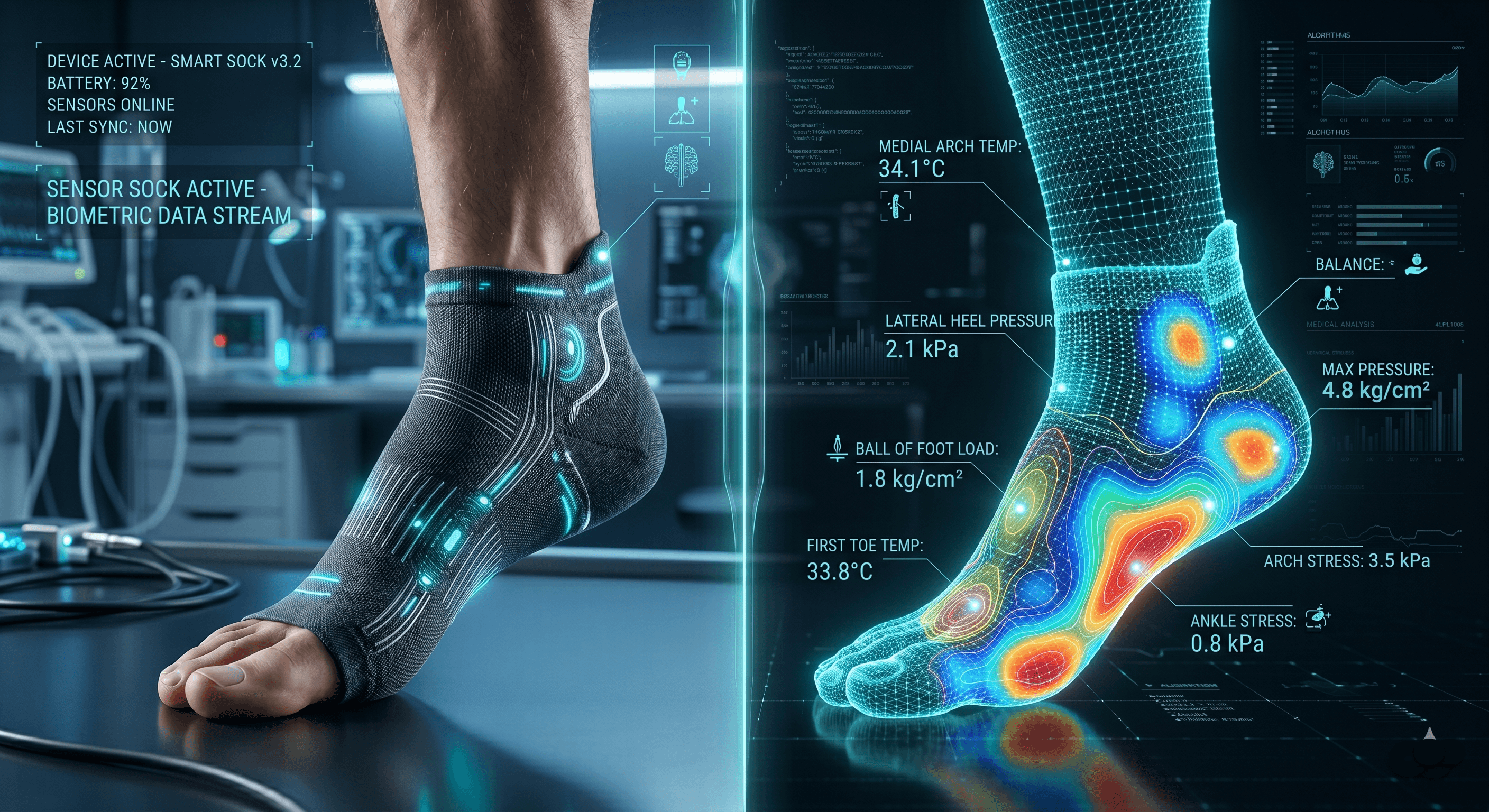
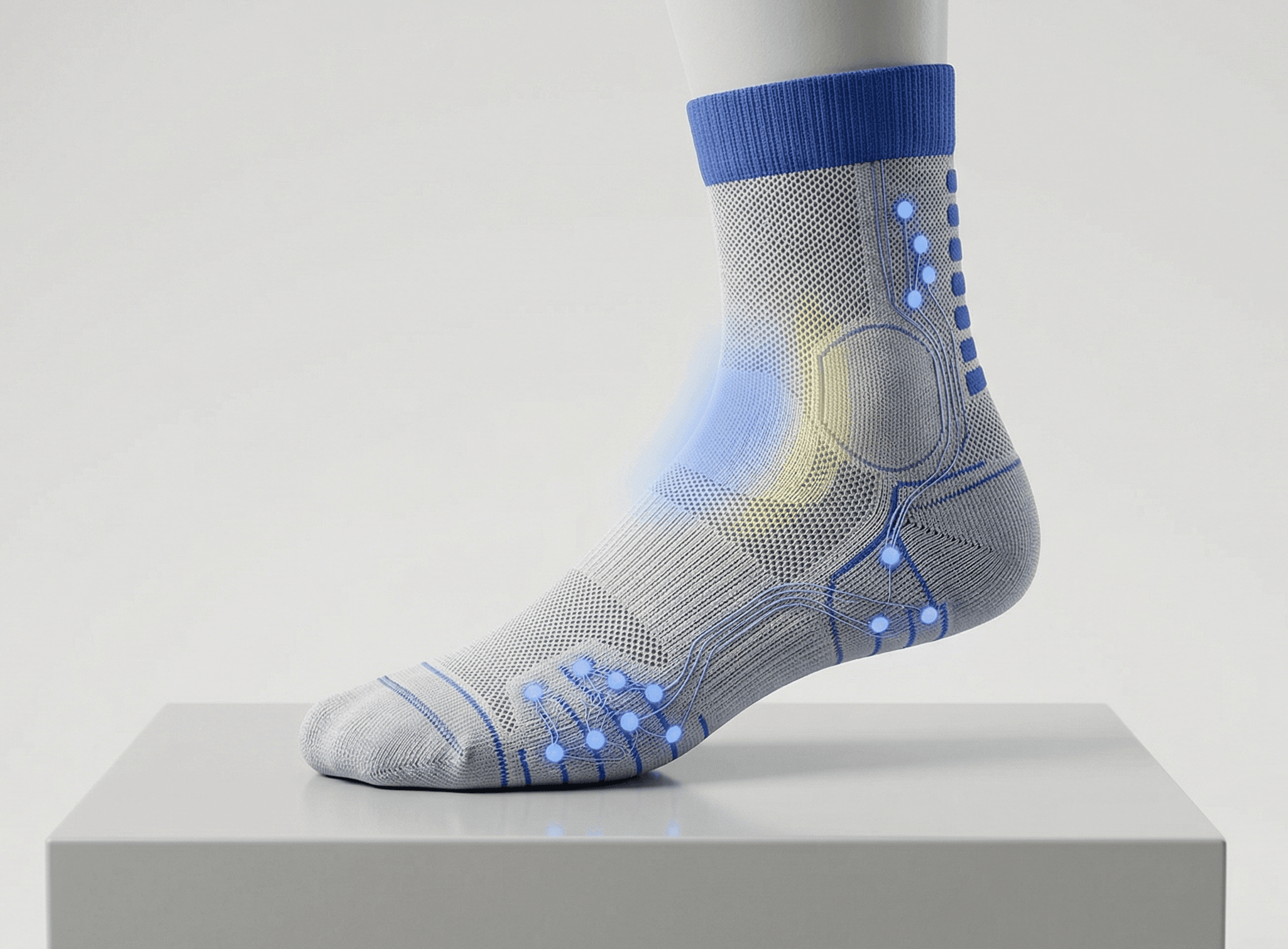
This article breaks down the key technologies behind smart wearables, from textile substrates and sensors to AI, connectivity, and power systems. It highlights how the future of intelligent textiles depends on seamless integration between materials, electronics, software, and user-centered design.
This article examines recent advances in smart textiles and wearable technologies, focusing on how functional fabrics are transforming healthcare, performance monitoring, and human-device interaction. It highlights the growing role of innovative materials in creating the next generation of connected wearable products.
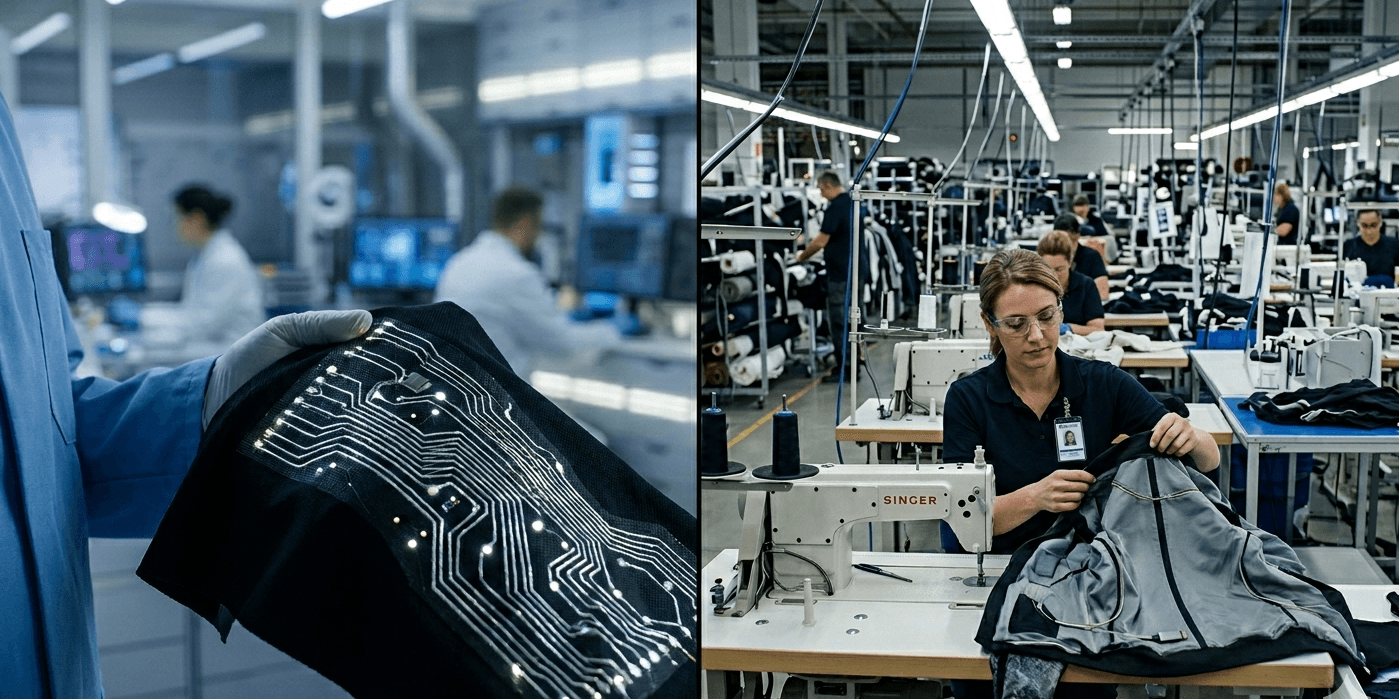
This article explores how smart textile innovations can successfully transition from the lab to the retail market through strategic product development, manufacturing alignment, and commercialization planning. It highlights the key steps needed to turn advanced wearable technologies into scalable, consumer-ready products.
This article explores how smart textile innovations become successful commercial products by aligning advanced fabric technologies with real consumer needs, scalable manufacturing, and strategic market positioning. It highlights the key factors that help transform wearable and functional textile concepts into commercially viable solutions.